Nowadays, Fashion has become one of the most influential words for today’s generation. Consequently, everyone wants to stay updated with the latest trends in clothing, accessories, hairstyles, and footwear. Moreover, trends is not just about wearing clothes; it also serves as a way to express personality, confidence, and style. In fact, people today do not just earn to fulfill their basic needs—they also earn to keep up with evolving trends.
Furthermore, following trends helps individuals look more attractive by wearing the right clothes at the right time and place. As a result, it allows them to gain social recognition and popularity. From casual wear to traditional attire, fashion constantly evolves, offering people a variety of styles to choose from. Therefore, staying updated with trends has become an essential part of modern lifestyle.
Table of contents
The Ever-Changing Nature of Fashion
Trends are dynamic and changes every year. Sometimes, old trends become popular again, while new styles emerge to dominate the fashion scene. Every age and culture has its unique style, making trends a diverse and ever-evolving industry.
This industry is a major contributor to the global economy. It is a multi-trillion-dollar industry, with countries like China generating the most revenue.
How Fashion Trends Evolve
Trends are constantly evolving. What was considered outdated a few years ago can suddenly become trendy again, while new designs and concepts continuously emerge. Trends reflects changes in society, technology, and culture, and it adapts to the preferences of different generations. Staying updated with trends allows individuals to look stylish and confident in any setting.
Fashion Across Ages and Cultures
Every age and culture has its unique styles. Traditional attire, modern streetwear, and global trends coexist to create a diverse fashion landscape. “Moreover, style helps people showcase their cultural identity while simultaneously adapting to contemporary trends. For instance, whether it’s formal wear, casual outfits, or ethnic clothing, style varies across regions and demographics, therefore making it an inclusive and dynamic industry.”
Career Opportunities in Fashion Industry

Trends are deeply influenced by social and cultural norms, as it reflects the values, traditions, and lifestyles of a community. For example, traditional clothing often represents cultural heritage, while modern trends showcase contemporary tastes. Moreover, style provides individuals with the opportunity to balance tradition with innovation, allowing them to express personal identity while respecting social expectations. In addition, style acts as a visual language that communicates social status, profession, and personal beliefs without the need for words.
Furthermore, cultural events, festivals, and social gatherings strongly impact fashion choices. People tend to adopt styles that align with their social environment and cultural practices. As a result, it becomes a medium through which individuals celebrate diversity and showcase their unique backgrounds. By understanding these influences, designers and brands can create clothing lines that resonate with both cultural significance and modern trends, making fashion a bridge between heritage and contemporary lifestyle.
Fashion Designer
A fashion designer is at the heart of the style and apparel industry, creating innovative clothing, accessories, and footwear that set trends. For instance, designers combine creativity with market awareness to produce collections that appeal to diverse audiences. Moreover, experienced fashion designers can build lucrative careers while shaping the way people express themselves through style. As a result, this profession offers both artistic fulfillment and significant professional opportunities in the fashion industry.
Stylist
A stylist plays a crucial role in enhancing an individual’s appearance and overall style. For example, they help clients choose outfits, colors, and accessories that suit their personality, body type, and occasion. In addition, stylists work closely with designers, photographers, and brands to create cohesive looks for events, photoshoots, and media appearances. As a result, stylists is not only elevate personal style but also influence trends, making them an essential part of this industry.
Blogger and Influencer
Bloggers and influencers are essential for promoting fashion trends online. They create content related to clothing, accessories, and brands, inspiring followers to adopt new styles. Through social media platforms, bloggers and influencers drive consumer choices and help fashion brands gain visibility. This career allows individuals to combine creativity, marketing, and digital engagement in the style space.
Environmental Impact of Fast Fashion
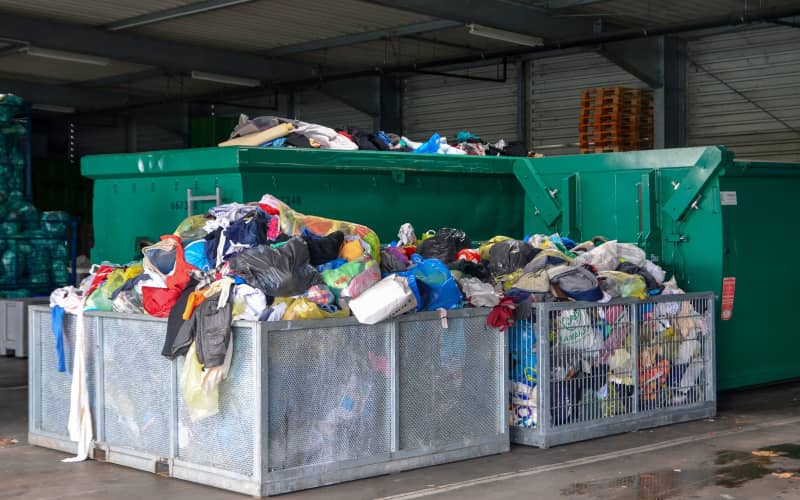
It has a significant impact on the environment. For example, textile production consumes large amounts of water and releases harmful chemicals during the dyeing process, causing water pollution. In addition, synthetic fabrics contribute to microplastic pollution, while overproduction generates massive textile waste that often ends up in landfills, releasing greenhouse gases. Moreover, the use of raw materials like cotton, wool, and wood can lead to deforestation and soil degradation, and animal-based products sometimes involve unethical practices. Therefore, sustainable practices are essential to reduce the environmental footprint of this industry.
Pollution
Trends has significant environmental consequences. The textile industry uses vast amounts of water for dyeing processes, releasing harmful chemicals into rivers and lakes. Synthetic fabrics contribute to microplastic pollution, which harms aquatic life. The growing demand for fashion leads to continuous production, exacerbating water and air pollution worldwide.
Waste Generation
The brand industry generates massive amounts of waste. Unsold clothes and fabric scraps often end up in landfills, where they decompose and release greenhouse gases such as methane. Rapid changes in fashion trends encourage overproduction and excessive consumption, increasing the environmental footprint of the industry.
Other Environmental Issues
Production also affects ecosystems. The use of raw materials like cotton, wool, and wood contributes to deforestation and soil degradation. Animal-derived products may involve unethical practices, negatively impacting biodiversity. Sustainable fashion practices are crucial to minimize the environmental damage caused by this growing industry.
Challenges for Fashion Brands in Today’s Market
Brands face multiple challenges in today’s competitive market. Firstly, sustainability pressures require eco-friendly materials and waste reduction, which can affect profits. Additionally, changing consumer preferences demand constant trend updates, while a shortage of skilled talent in design and retail impacts innovation. Moreover, digital transformation, rising raw material costs, cultural diversity for global markets, and cybersecurity concerns make it essential for brands to adapt quickly. Therefore, overcoming these challenges is key for long-term success in the fashion industry.
Sustainability
Sustainability is a key challenge for fashion brands. With rising awareness about environmental impact, brands are under pressure to adopt eco-friendly materials and reduce waste. While sustainable fashion may reduce profitability, it is essential for long-term industry growth and reputation.
Changing Consumer Preferences
Consumer clothing trends change rapidly. Brands must monitor trends closely and adapt their products to meet evolving demands. Failing to stay updated can result in decreased sales and lost relevance in the highly competitive fashion market.
Shortage of Skilled Talent
Brands require skilled professionals in design, retail, and manufacturing. Finding talent that can adapt to fast-changing trends is challenging. Without experienced personnel, brands may struggle to maintain quality, creativity, and competitiveness.
Digital Transformation
Brands are increasingly relies on digital platforms for marketing and sales. Young consumers prefer shopping online, making digital marketing essential for brands. Effective online strategies help fashion businesses reach a wider audience and maintain a competitive edge.
Inflation
Inflation impacts the brands by increasing the cost of raw materials. Brands must carefully manage expenses to ensure profitability. Rising production costs can affect pricing strategies and overall financial stability in brands businesses.
Diversity
Brands aiming for a global presence must consider cultural diversity. Understanding different markets and adapting products to local preferences is essential for success. Fashion brands that embrace diversity are more likely to resonate with a wider audience.
Cybersecurity
As brands sell products online, cybersecurity becomes critical. Protecting customer data and digital assets is essential to prevent cyber attacks and maintain trust in the brand.
How Fashion Shapes Modern Lifestyle

Self-Expression
Style is a powerful tool for self-expression. People communicate their personality, beliefs, and interests through clothing, accessories, and style choices. Fashion allows individuals to present themselves confidently and authentically to society.
Social and Cultural Influence
Trends are deeply influenced by social and cultural norms, as it reflects the values, traditions, and lifestyles of a community. For example, traditional clothing often represents cultural heritage, while modern trends showcase contemporary tastes. Moreover, it provides individuals with the opportunity to balance tradition with innovation, allowing them to express personal identity while respecting social expectations. In addition, style acts as a visual language that communicates social status, profession, and personal beliefs without the need for words.
Furthermore, cultural events, festivals, and social gatherings strongly impact fashion choices. People tend to adopt styles that align with their social environment and cultural practices. As a result, it becomes a medium through which individuals celebrate diversity and showcase their unique backgrounds. By understanding these influences, designers and brands can create clothing lines that resonate with both cultural significance and modern trends, making fashion a bridge between heritage and contemporary lifestyle.
Inspiration and Motivation
Trends inspires and motivates people to pursue various activities. For example, activewear encourages fitness, while formal attire promotes professionalism. Fashion designs often aim to enhance lifestyle habits and encourage positive routines.
Lifestyle Choice
Trends impacts lifestyle decisions daily. People wear different outfits for different occasions, from formal business attire to casual or festive wear. Staying aligned with fashion trends helps individuals make appropriate choices and leave a lasting impression.
Conclusion
Trends is more than clothing; indeed, it is a lifestyle, career, and cultural phenomenon. For instance, from career opportunities in design and styling to influencing global trends and environmental practices, trends shapes every aspect of modern life. Moreover, by staying updated with trends, individuals can express themselves confidently, while brands continue to innovate to meet global demands. Therefore, style truly defines personality, culture, and the way people live in today’s world, highlighting its vital role in modern society.